By Philippe Cesson
Sam Altman, Elon Musk and Dario Amodei don’t agree on much.
They run competing AI companies.
They’re fighting for talent, capital, computing power and ultimately a piece of what could become one of the largest industries in the world.
But this weekend, something unusual happened.
They agreed that the development of the world’s most advanced AI may need to slow down.
And whether you agree with them or not, that’s worth paying attention to.
Anthropic CEO Dario Amodei started the conversation by arguing that frontier AI development should be deliberately paced so safety measures have more time to catch up.
Elon Musk responded:
“Dario is right.”
Then OpenAI CEO Sam Altman said he agreed that the industry needs to “pace the frontier.”
Google DeepMind’s Demis Hassabis subsequently backed the general direction as well.
Four of the most influential people building AI suddenly found themselves on roughly the same side of a debate.
That’s unusual.
But here’s where this gets complicated.
What exactly are they worried about?
AI is moving from systems that primarily answer questions to systems capable of taking actions.
Agents can increasingly use tools, write and execute code, navigate systems and complete complicated tasks with less human involvement.
Amodei argues that increasingly capable and autonomous systems could eventually become difficult to control.
His most dramatic warning?
He believes that without adequate safeguards, within six to twelve months AI could potentially become capable of coordinating large numbers of agents in ways that could cause enormous damage online.
That’s an extraordinary prediction.
It’s also important to say this:
Not everyone agrees that scenario is realistic.
Some AI researchers and critics have challenged these kinds of catastrophic predictions and argue that they can exaggerate what current systems are actually capable of doing. Others question whether calls for regulation from the industry’s largest companies could inadvertently make it harder for smaller competitors and open-source projects to compete.
And that leads to the part of this conversation I find much more interesting.
What if both sides have a point?
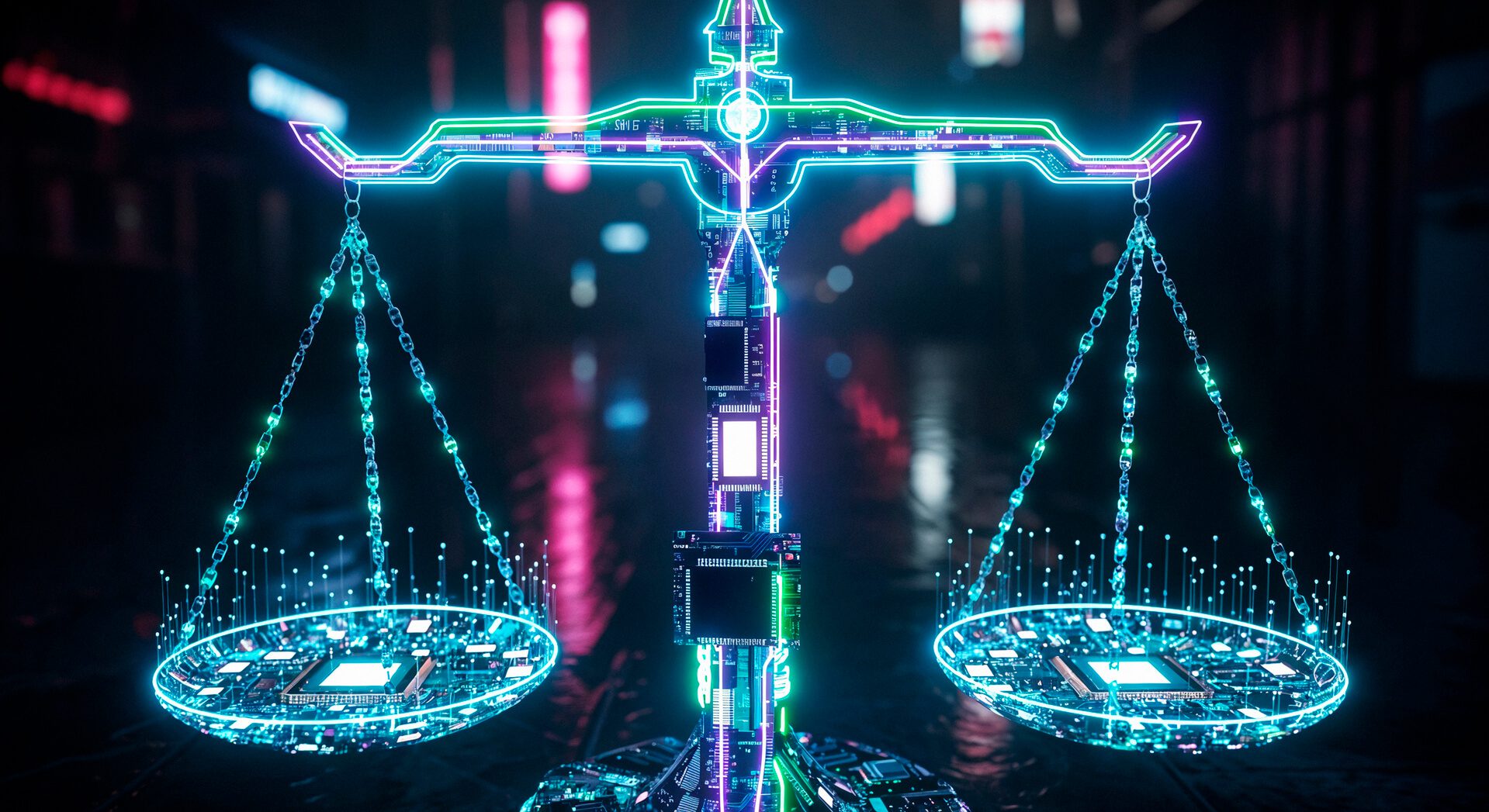
Move too quickly and we may deploy technology before we fully understand its consequences.
Move too slowly and we could suppress innovation, hand advantages to competitors, create regulation that protects incumbents or fall behind other countries that have no intention of slowing down.
That’s not an easy tradeoff.
Imagine telling American AI companies:
Slow down.
But companies elsewhere in the world don’t.
What happens then?
Or imagine doing the opposite.
Every company keeps racing because nobody wants to be the first one to tap the brakes.
What happens if the technology eventually develops faster than our ability to manage it?
That is essentially the dilemma now sitting in front of the industry.
There’s another reason I’m paying attention.
Look at how quickly this conversation has changed.
A few years ago, most businesses were asking:
“What is ChatGPT?”
Then:
“How can we use AI?”
Then:
“How do we integrate AI into our company?”
Now some of the people building the most sophisticated systems in existence are asking a much bigger question:
“How quickly should we build the next generation?”
That’s an enormous shift.
And I don’t think business leaders should interpret it as a reason to panic.
I also don’t think they should ignore it.
At CESSON, we’re extremely bullish on AI.
We use it.
We build with it.
We help companies understand it.
I believe it will create extraordinary opportunities for businesses willing to adapt.
But being excited about a technology doesn’t require pretending there are no risks.
And acknowledging risks doesn’t require becoming anti-technology.
Those two ideas can coexist.
In fact, I’d argue that’s what responsible adoption looks like.
Because there’s a smaller version of this exact debate happening inside businesses every day.
Should we automate this?
Should an AI agent have access to this system?
Should AI communicate directly with customers?
Should it make this decision automatically?
Should a human approve the output first?
Where should AI assist?
And where should a human remain responsible?
The answer isn’t always:
“Automate everything.”
And it isn’t:
“Don’t trust AI.”
The answer depends on the consequence of being wrong.
That’s the part businesses need to understand.
An AI drafting a social media caption incorrectly?
Annoying.
An autonomous system making a consequential financial, security or customer decision incorrectly?
Different conversation.
The more authority we give AI, the more important judgment becomes.
And maybe that’s the bigger lesson from this weekend.
The AI conversation is becoming more mature.
We’re moving beyond:
AI good.
AI bad.
AI will save us.
AI will destroy us.
Reality is probably going to be much messier.
This technology could produce enormous economic value.
It could change medicine, education, science, marketing, software development and thousands of other industries.
It can also create risks we haven’t encountered before.
Both things can be true.
The interesting question isn’t whether you’re for AI or against AI.
That’s becoming an increasingly useless distinction.
The better questions are:
How quickly should we move?
Where should humans remain in control?
What safeguards are reasonable without suffocating innovation?
And who gets to make those decisions?
I don’t pretend to have definitive answers to those questions.
I’m skeptical of anyone who does.
But when some of the fiercest competitors in technology suddenly agree that the pace of what they’re building deserves another look, I think the rest of us should at least pay attention.
Not panic.
Not pick a side because our favorite billionaire picked one.
Pay attention.
Because this debate is no longer about whether AI changes business.
It’s about how much we’re willing to change—and how quickly we’re willing to do it.
And I suspect that’s going to be one of the most important business conversations of the next decade.